Brain-activated therapy
for stroke recovery
FDA-cleared non-invasive at home therapy
for rehabilitation for upper extremity.
What is IpsiHand?
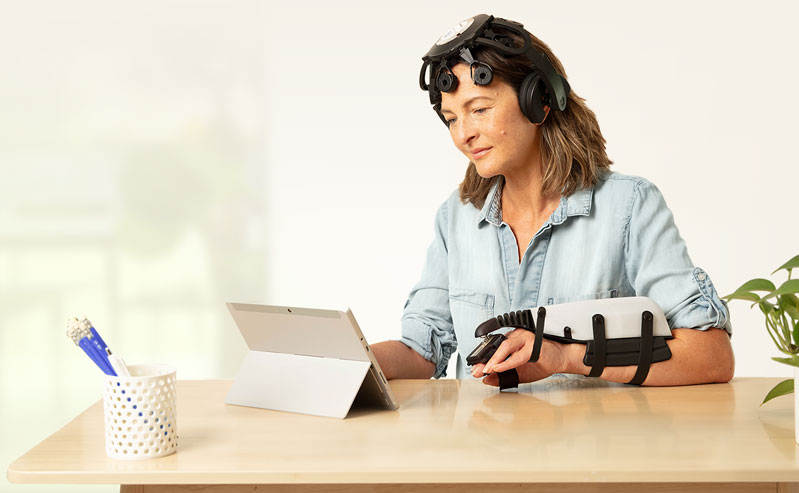
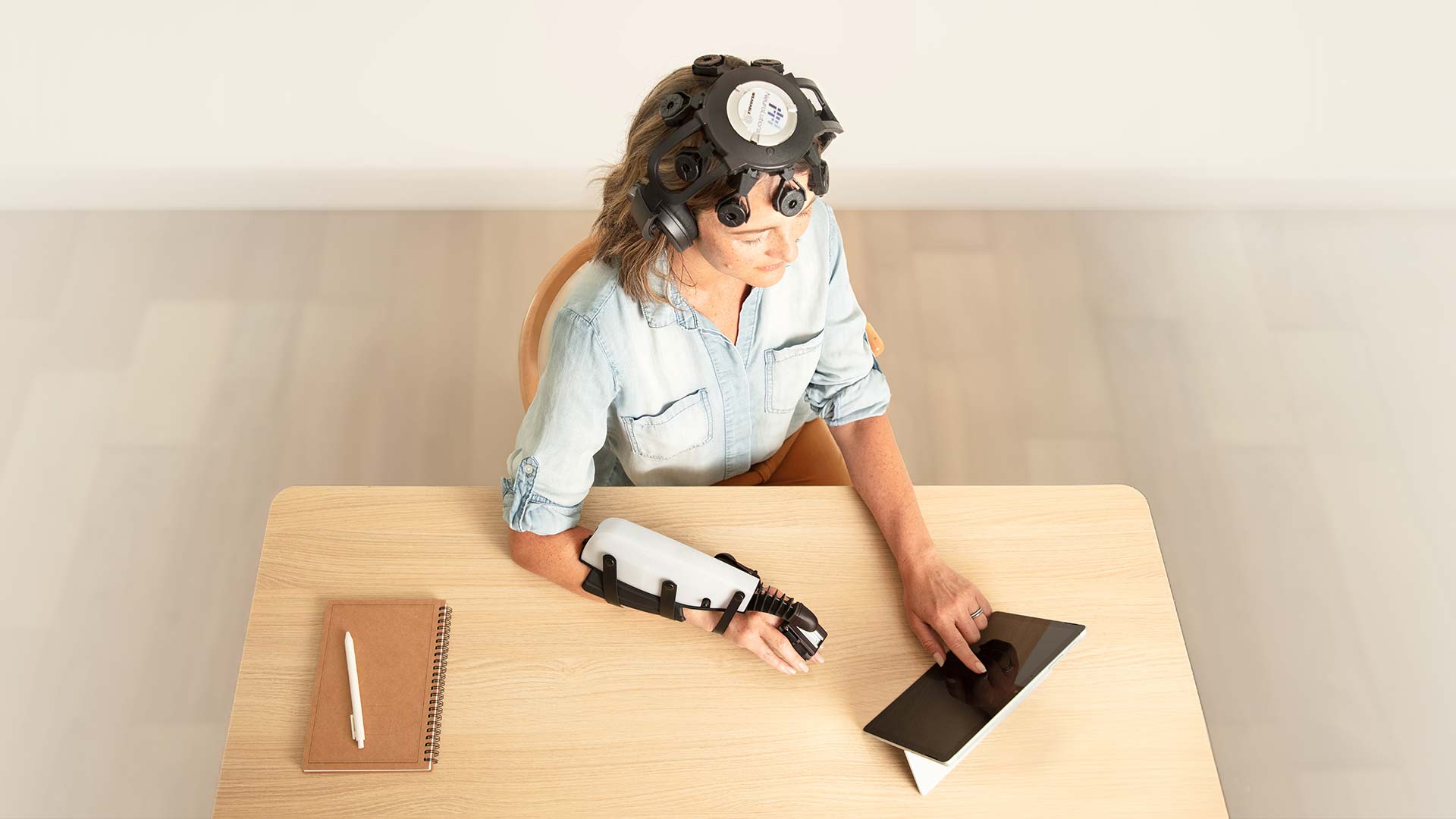
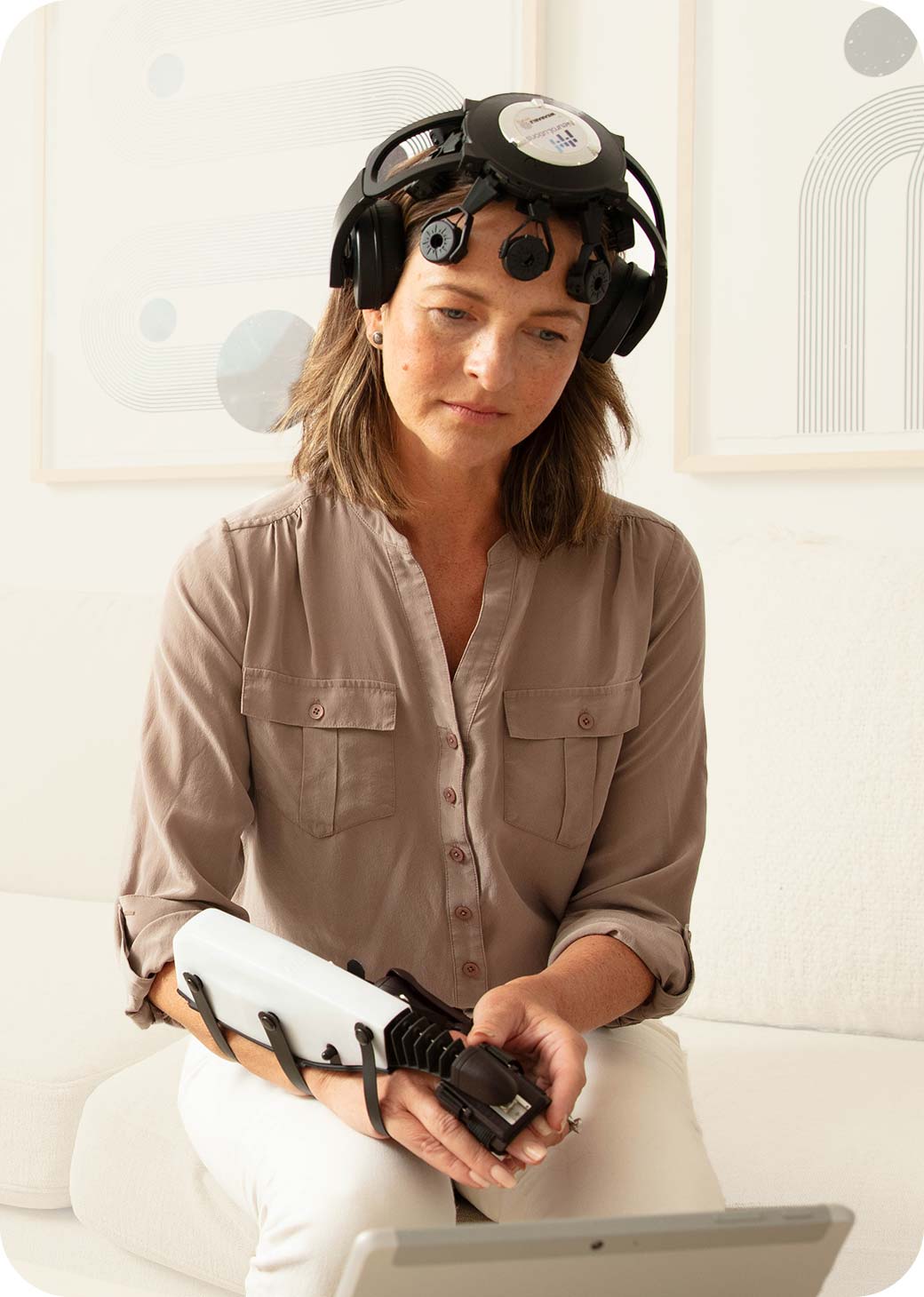
The IpsiHand utilizes the uninjured or contralesional side of the brain to improve arm and hand function.
Real World Results That Matter
Real world results from a retrospective analysis align with prior clinical studies, demonstrating motor improvement of the upper extremity in chronic stroke survivors. Sixty-four percent achieved motor improvement within the first 12-weeks of IpsiHand therapy, supporting trial level efficacy into real world outcomes.
Citation: Prasad NK, Perry NJ, Goldring AL, Fleisher LA, Petrossian L, Leuthardt EC, Souders L, Wilk SJ. A retrospective analysis of post-stroke rehabilitation with real world use of brain-computer interface. J Neuroeng Rehabil. 2026 Jan 21. doi: 10.1186/s12984-026-01880-4. Epub ahead of print. PMID: 41566501.
+10.2 AMAT*
On the AMAT
(Arm Motor Ability Test).
When to Consider IpsiHand for Your Patients
Persistent upper extremity impairment remains a significant barrier to functional independence post-stroke.♦ IpsiHand is designed for stroke survivors who continue to experience motor impairment of the upper extremity and who are capable of participation in a home-based program.
To determine whether your patient might be eligible:
01.
Chronic stroke survivor ≥ 18 years of age, defined as ≥ 6 months post-stroke.
02.
Continue to demonstrate motor impairment of the upper extremity.
03.
History of prior completed upper extremity therapy with persistent residual motor deficits.
♦ Citation: Wade DT, Langton-Hewer R, Wood VA, Skilbeck CE, Ismail HM. The hemiplegic arm after stroke: measurement and recovery. J Neurol Neurosurg Psychiatry. 1983;46(6):521–524. doi:10.1136/jnnp.46.6.521
*The Arm Motor Ability Test (AMAT) provides a comprehensive and practical evaluation of how neurological impairments affect real-world arm and hand use during common daily activities, such as eating, dressing, and opening a jar.
Randomized Trial Demonstrates Positive Motor Recovery With At-Home BCI Therapy
Number needed to treat for one patient to achieve meaningful functional improvement.
Clinically meaningful improvement with IpsiHand therapy vs 9.6% in a control group.
+6.0 UEFM Points
Mean increase in Upper Extremity Fugl-Meyer score over 12 weeks
(vs +1.5 in controls).
Methods:
- Population: Adults age 18–85, ≥6 months post-stroke with upper extremity hemiparesis
- Intervention: Contralesionally controlled BCI therapy using IpsiHand, 5 days/week for 12 weeks
- Control: Standard at-home upper extremity exercise program
- Primary Outcome: Upper Extremity Fugl-Meyer (UEFM)
Primary Outcome Results

At-home BCI therapy with the IpsiHand System produced significantly greater and clinically meaningful improvements in upper extremity motor function compared with standard at-home exercise therapy in patients with chronic stroke.
Through a randomized control trial, at-home BCI therapy with the IpsiHand System yeilded significantly greater and clinically meaningful improvements in upper extremity motor function compared with standard at-home exercise in patients with chronic stroke.
These findings support BCI therapy as an effective rehabilitation option and reframes chronic stroke from a compensated condition to a treatable one.
Often, the intensity and task repetitions required for motor improvement isn’t achieved in outpatient therapy alone.♦♦ That’s why IpsiHand is designed for independent use by patients at home. By improving patient access to home therapy, IpsiHand users can log more therapeutic program hours without direct supervision of an occupational or physical therapist.
The IpsiHand provides patients with improved access to care, minimizes the effects of social determinants of health, and eliminates transportation-related barriers.♦♦♦
♦♦♦Citation: Ifejika NL, Awosika OO, Black T, Duncan PW, Harvey RL, Katz DI, Kimberley TJ, Lutz BJ, O’Neil F, Stein J, Yallapragada AV, Reeves MJ. Improving access to stroke rehabilitation and recovery: a policy statement from the American Heart Association/American Stroke Association. *Stroke*. 2023;54(10):e1-e32. doi:10.1161/STR.0000000000000447
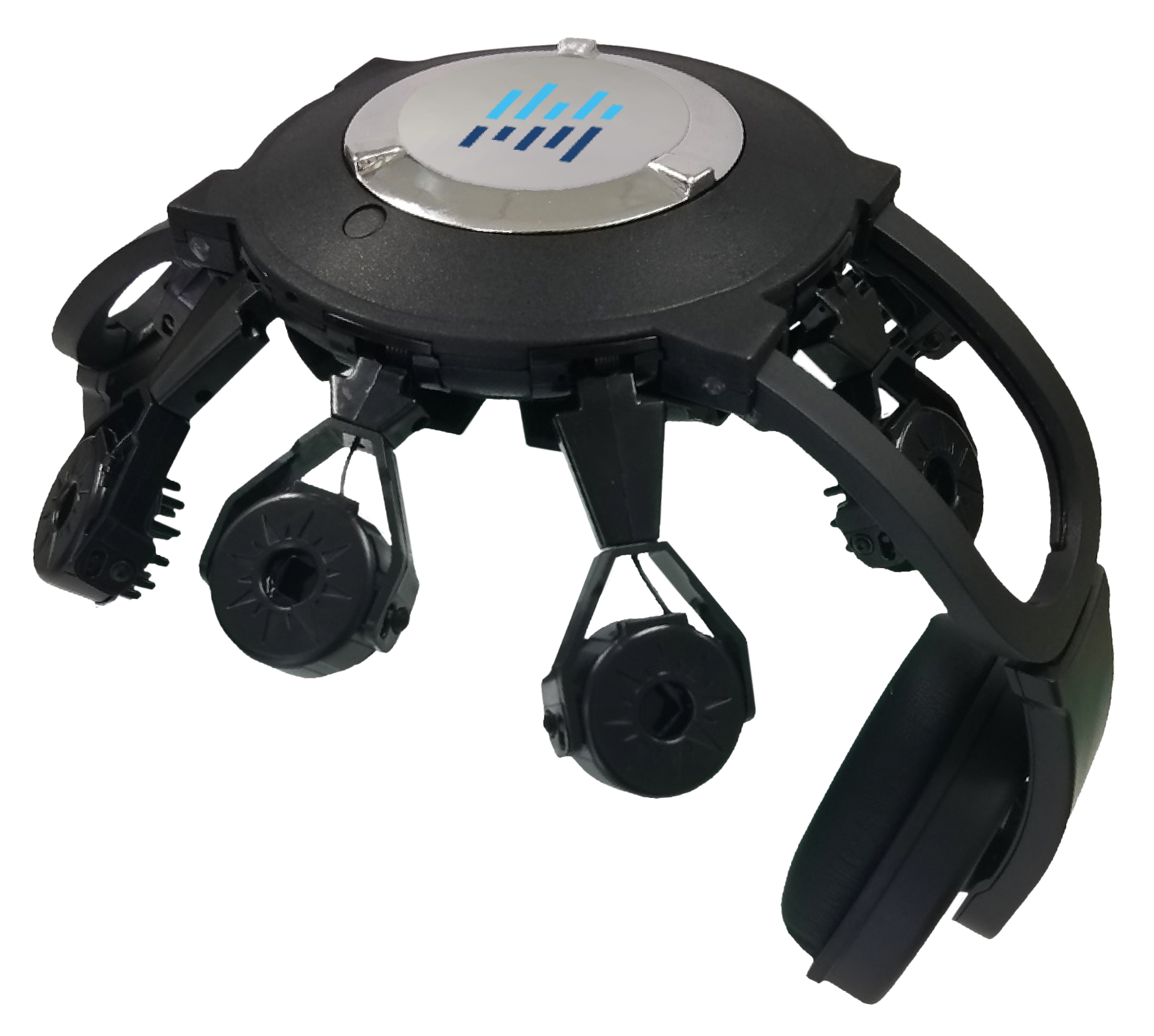
Headset
Identifies electrical signals from the uninjured parts of the brain.
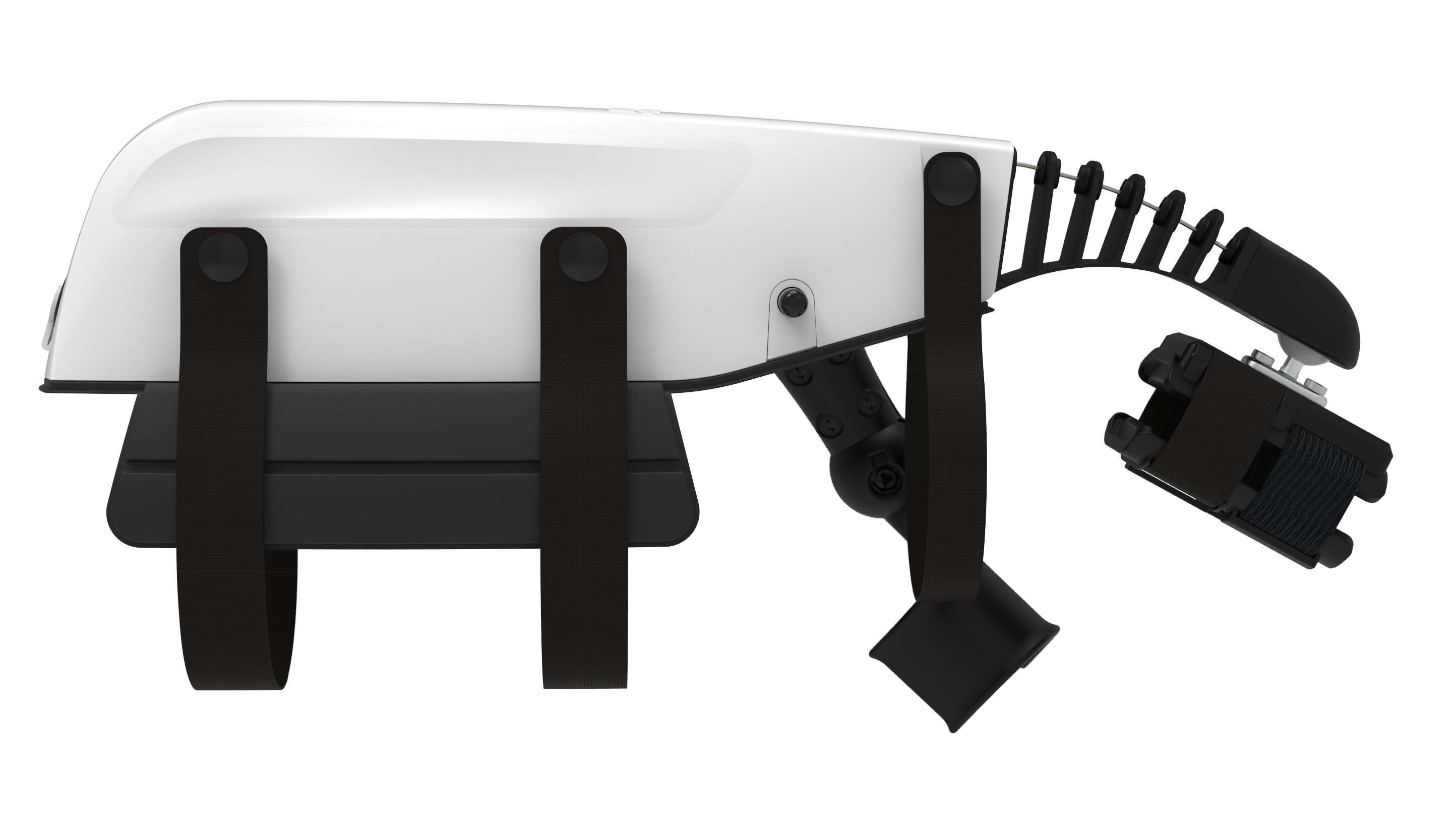
Handpiece
Thoughts of hand movement send signals to the handpiece, prompting it to open the hand.
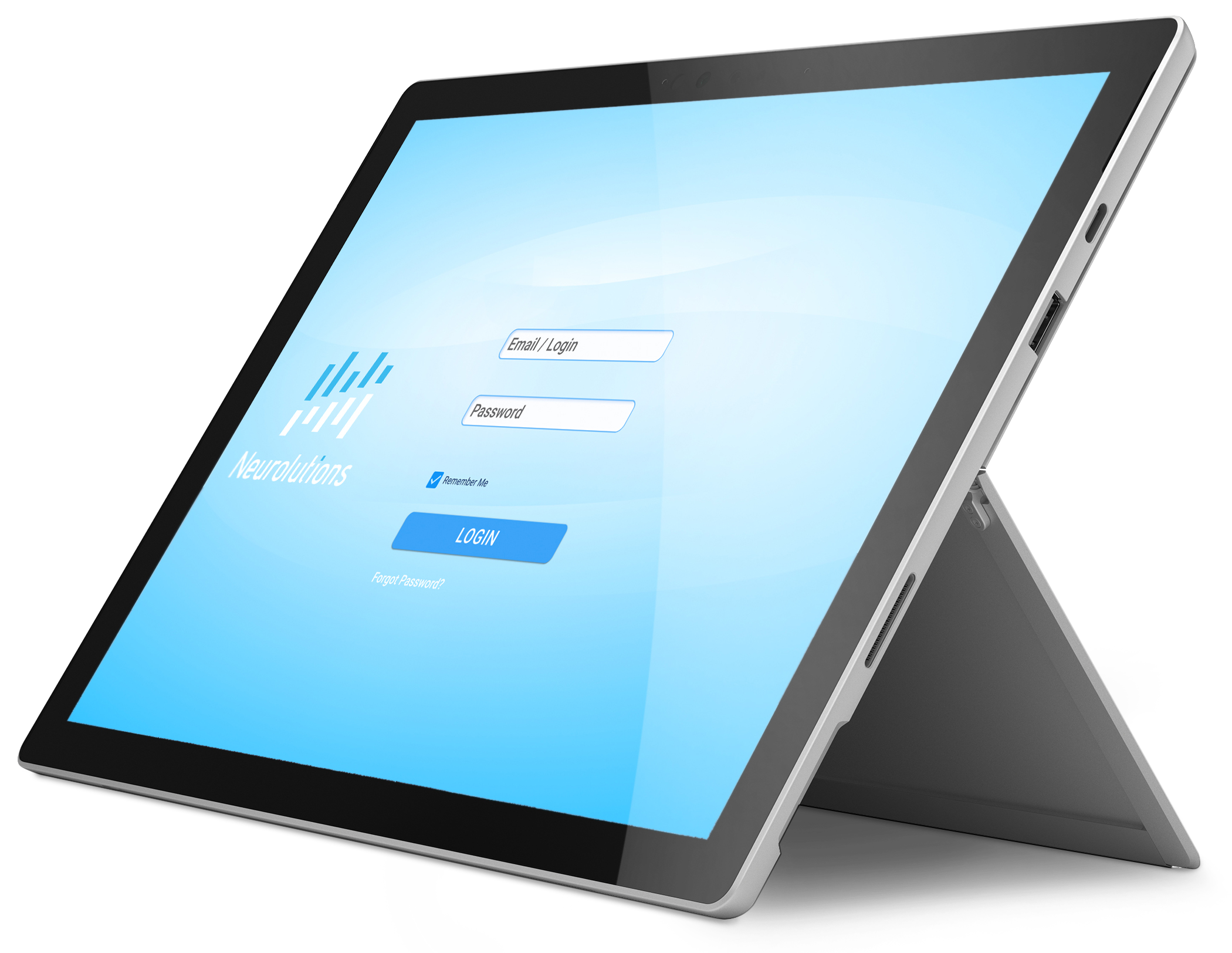
Tablet
Real-time feedback visual motor imagery guidance on a tablet.
Prescribing IpsiHand: The Process
01. Identifying Ideal Candidates
Patients are indicated to use IpsiHand if they are chronic stroke patients (≥ six months post-stroke), age 18 or older, and undergoing rehabilitation to facilitate muscle re-education and maintaining or increasing range of motion in the upper extremity.
02. Prescribing IpsiHand
Standard prescription and insurance forms are available in our clinical resource center for your convenience. These include all necessary and supplemental information for prescribing IpsiHand System to your patients.
03. What’s Next?
Upon receipt of a valid prescription and insurance approval for coverage, the Neurolutions clinical staff works with the patient to schedule an EEG Signal Test and evaluate the patient’s motor intent signals. This crucial step ensures the patient is a suitable candidate for the IpsiHand.
Evidence-Driven Innovation

2026 Brain-Computer Interface Publication
A retrospective analysis of post-stroke rehabilitation with real world use of brain-computer interface.

2025 Brain-Computer Interface Publication
IpsiHand Brain-Computer Interface Therapy Induces Broad Upper Extremity Motor Rehabilitation in Chronic Stroke
2024 Brain-Computer Interface Publication
BCI Therapy Induces Broad Upper Extremity Motor Rehabilitation in Chronic Stroke
2022 Brain Communications Publication
Theta–gamma coupling as a cortical biomarker of brain–computer interface.

2022 Brain-Computer Interfaces Publication
Motor Network Reorganization Induced in Chronic Stroke Patients with interface.

Food & Drug Administration
IpsiHand is FDA Cleared
– via De Novo
Neurolutions Awarded
California Life Science Medical Device of the year.
SBIR Awarded $2M
to Neurolutions.
First Clinical Trial Complete
Published on Cover of Stroke

Breakthrough Research
Newly published studies show motor recovery in chronic stroke patients.
FDA Granted
IpsiHand as a “Breakthrough Medical Technology“
8091.999.E